News

»

,

Federal physics advisory panel recommends funding next-generation IceCube observatory, other major experiments

A group of scientists tasked with advising the federal government’s investments in particle physics research is recommending that the United States fund a planned expansion (dubbed IceCube-Gen2) of the IceCube Neutrino Observatory, an international scientific collaboration operated by the University of Wisconsin–Madison at the South Pole.

The recommendation from the Particle Physics Project Prioritization Panel, or P5, joins other major research priorities in the field, including support for a separate neutrino experiment based in Illinois and development of a next generation of ground-based telescopes designed to observe the cosmic microwave background. The recommendations are included in a draft report published Dec. 7.

Read the full University of Wisconsin–Madison press release here.

You may also be interested in…

  • IceCube neutrinos give us first glimpse into the inner depths of an active galaxy

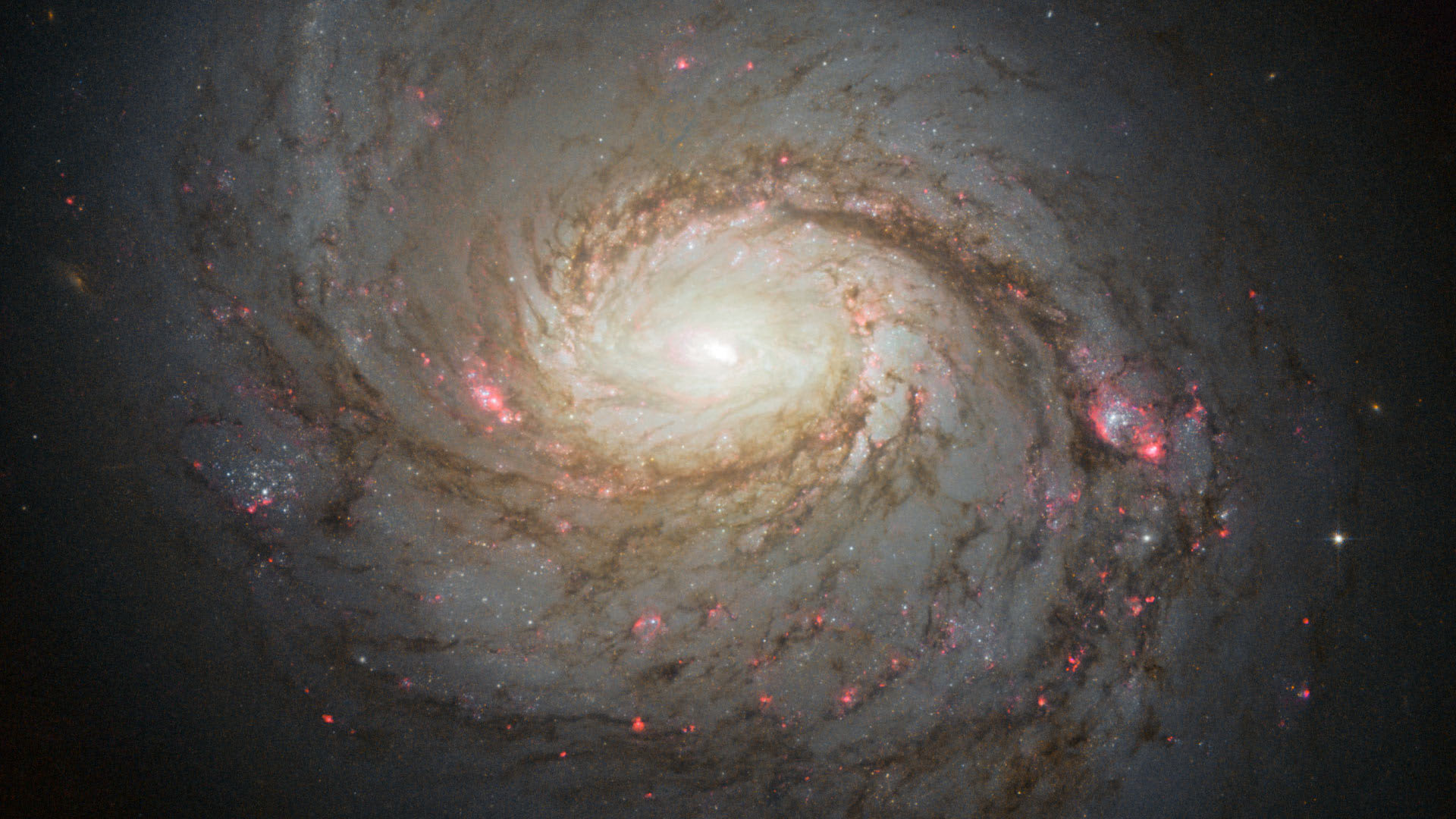
    For the first time, an international team of scientists have found evidence of high-energy neutrino emission from NGC 1068, also known as Messier 77, an active galaxy in the constellation Cetus and one of the most familiar and well-studied galaxies to date. First spotted in 1780, this galaxy, located 47 million light-years away from us, …

  • The IceCube Neutrino Observatory gets a major upgrade beneath the ice

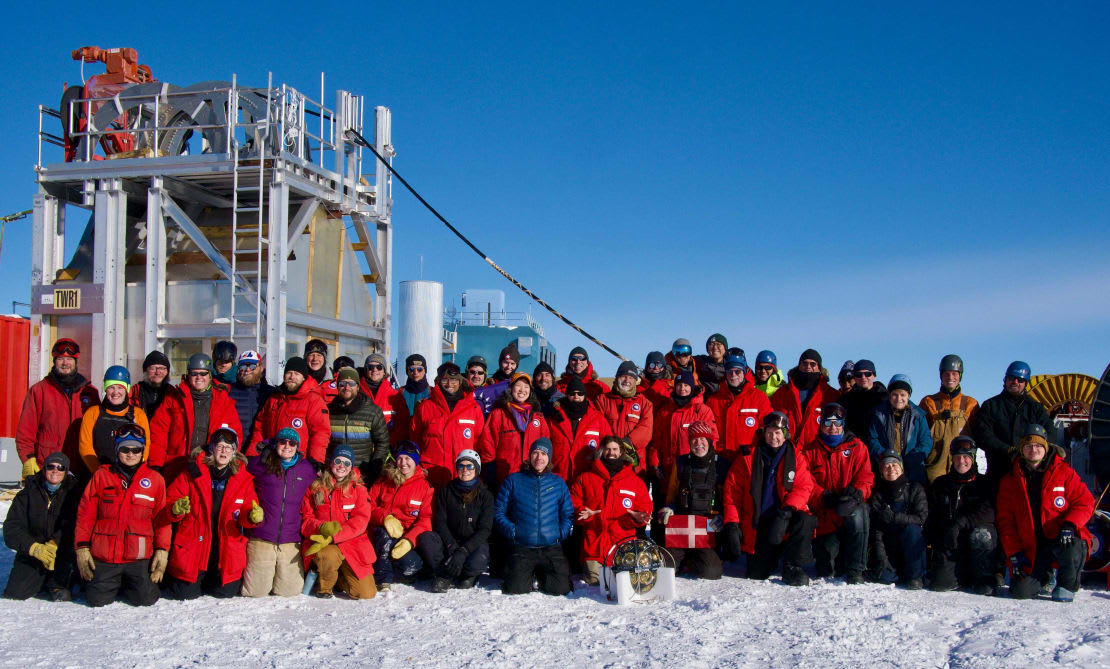
    Group photo of IceCube Upgrade team with the drill tower, hose reel and IceCube Lab in the background. Credit: Colton Hill, IceCube/NSF
    In 2019, the U.S. National Science Foundation, together with US institutional and international partners, approved funding of the IceCube Upgrade project, an improvement that would significantly push the scientific capabilities of the IceCube …

  • NSF mid-scale award sets off the first extension of IceCube

    The IceCube Neutrino Observatory, the Antarctic detector that identified the first likely source of high-energy neutrinos and cosmic rays, is getting an upgrade.
    On June 25, 2019, the National Science Foundation (NSF) approved full funding to upgrade the IceCube detector, extending its scientific capabilities to lower energies and thus enabling IceCube to reach neutrino energies that …